

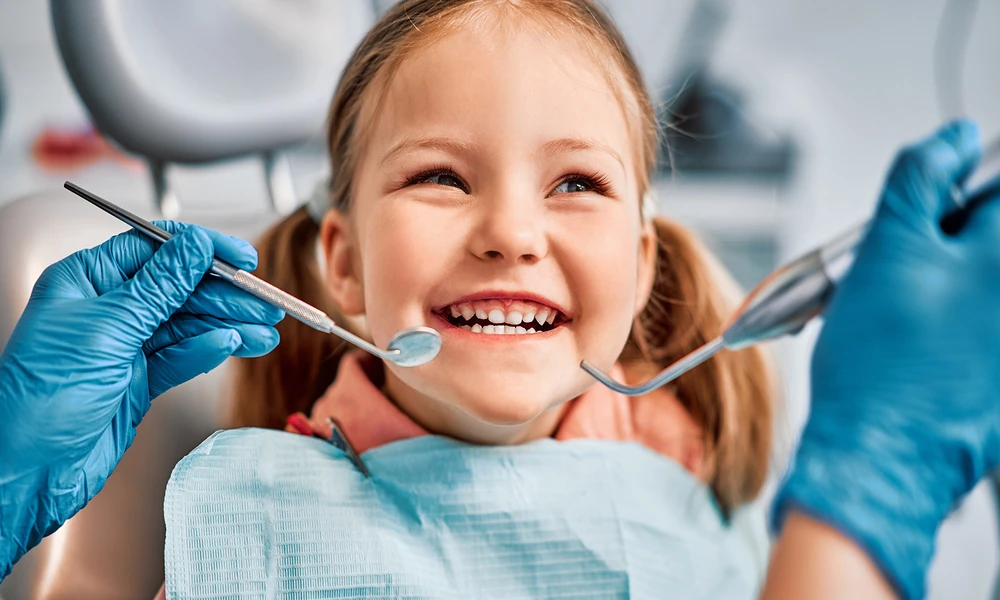
You might be feeling that mix of concern and confusion that hits when your child needs dental care and you are trying to make the right call. Maybe it is a first visit, a cavity, a dental injury, or simply a child who feels scared the moment they see a treatment chair. Before this, brushing and snacks may have felt manageable. After a hard appointment or a sudden problem, it can feel much heavier. That is where the question starts to matter, especially for families searching for pediatric dentists in New Lenox, IL. Why does specialized training in children’s dental care make such a difference?
The short answer is simple. Children are not just small adults, and a pediatric dentist is trained to care for growing teeth, changing jaws, child behavior, and the safety needs that come with treatment at different ages. When you choose a provider with focused training, you are not only choosing someone who can fix teeth. You are choosing someone who understands how to protect comfort, trust, and long term oral health at the same time.
Why can a regular dental visit feel so different for a child?
A child’s dental visit can look calm on the outside and still feel big on the inside. New sounds, bright lights, and fear of pain can turn even a routine cleaning into a struggle. Because of this tension, you might wonder whether all dentists are prepared for those moments in the same way. They are not.
Specialized training in pediatric dentistry includes child development, preventive care, growth patterns, and ways to treat children who are anxious, very young, or have special health care needs. That matters because the goal is not only to complete treatment. The goal is to do it safely, gently, and in a way that helps your child come back without fear next time.
According to the American Academy of Pediatric Dentistry’s policies and recommendations, children benefit from early, prevention focused care that matches their age and risk level. That kind of guidance supports what many parents already sense. A child often needs a different approach, not just a smaller toothbrush.
So, where does that leave you if your child has more than a simple cleaning ahead?
What does advanced pediatric dental training actually change?
It changes a lot, especially when treatment becomes more complex. A pediatric specialist is trained to spot issues tied to growth and development, including bite problems, delayed eruption, and decay patterns that move fast in baby teeth. They also learn behavior guidance techniques that help children cooperate without creating more stress.
Think about a few common situations. What if your toddler chips a front tooth after a fall? What if your six year old needs a filling but freezes in the chair? What if your child has sensory challenges and ordinary appointments feel impossible? In cases like these, the skill is not only technical. It is relational and clinical at the same time.
There is also the safety side. Some children need sedation or other supportive methods to complete treatment. The AAPD’s pediatric dental safety curriculum shows how much formal training goes into safe care planning, monitoring, and emergency readiness. That should reassure any parent who worries about what happens if a child cannot sit through treatment in the usual way.
And then there is prevention, which often gets less attention than treatment even though it shapes everything that comes after. The HRSA guidance on oral health for young children stresses early visits, healthy habits, and risk based care. In other words, the best pediatric dental care is often the care that helps your child avoid bigger problems later.
How does a pediatric dentist compare when the stakes feel higher?
When you are weighing options, it helps to see the differences clearly. Not every child needs advanced treatment, but many benefit from a provider whose training is built around kids from the start.
| Care Factor | General Dental Approach | Pediatric Dental Approach |
|---|---|---|
| Training focus | Broad care for teens and adults, with some child care | Extra specialty training centered on infants, children, and teens |
| Behavior support | May use standard communication methods | Uses age based behavior guidance and anxiety reduction techniques |
| Growth and development | Monitors basic dental changes | Tracks tooth eruption, jaw growth, and bite changes closely |
| Special health needs | Varies by office and provider | Training often includes care planning for more complex child needs |
| Preventive strategy | General prevention advice | Child specific prevention based on age, diet, habits, and risk |
This is why many families look for a children’s dental specialist when there is fear, trauma, decay, or developmental concerns involved. It is not about making things sound more serious than they are. It is about matching the child to the right kind of care.
What can you do right now if you are choosing pediatric dental care?
1. Ask about training, not just availability.
If you are searching for a pediatric dentistry provider, ask whether the dentist completed specialty training focused on children. You can also ask how the office handles anxious kids, very young patients, or children with medical or sensory needs. The answers will tell you a lot.
2. Pay attention to how your child is treated before any procedure starts.
Does the team explain things in child friendly words? Do they move with patience? Do they notice your child’s fear instead of pushing past it? A good experience often begins long before treatment does.
3. Think beyond today’s problem.
If your child needs care now, it is natural to focus on the immediate fix. Still, ask about prevention, follow up, and what to watch for as your child grows. The best pediatric oral care supports the next year, not just the next appointment.
Why does this choice matter long after one appointment ends?
Dental memories stay with children. A rushed or frightening visit can shape how they react to care for years. A calm, skilled experience can do the opposite. It can teach them that dental care is manageable, that pain can be prevented, and that asking for help is safe.
That is the deeper reason specialized training matters in pediatric dentistry. It protects more than teeth. It protects trust, confidence, and the habits that support oral health as your child grows. If you are weighing your options for a pediatric dentist, it is worth taking a closer look at training, approach, and how well the care fits your child’s real needs.
You do not have to sort through that decision blindly. The right support can make this feel far less overwhelming, and one thoughtful choice now can make future visits much easier for both you and your child.
