

Key Highlights
- Braces gradually move teeth into healthier positions using controlled pressure.
- Orthodontic treatment usually does not involve surgery.
- Certain complex jaw conditions may require dental surgery in Singapore alongside orthodontic care.
- Good oral hygiene and regular reviews contribute to successful treatment outcomes.
Introduction
A straighter smile is often associated with appearance, but orthodontic treatment also plays an important role in improving oral health and bite function. Many people assume that wearing braces involves surgery, yet this is one of the most common misconceptions surrounding orthodontics.
In reality, most treatment plans rely on gentle adjustments over time rather than invasive procedures. While dental surgery in Singapore may be recommended for patients with significant jaw discrepancies, it is generally reserved for complex cases rather than routine orthodontic treatment.
How Braces Move Teeth
Teeth are supported by bone and surrounding tissues that naturally respond to steady pressure. By applying carefully controlled force, braces encourage teeth to shift gradually into their planned positions without damaging healthy structures.
Treatment begins with a detailed assessment that considers tooth alignment, bite, and overall oral health. Every adjustment is planned to keep movement gradual, allowing the surrounding bone to adapt throughout the process.
Regular review appointments help monitor progress and make small modifications when necessary. Following the recommended schedule gives patients the best opportunity to achieve predictable and lasting results.
What to Expect Throughout Treatment
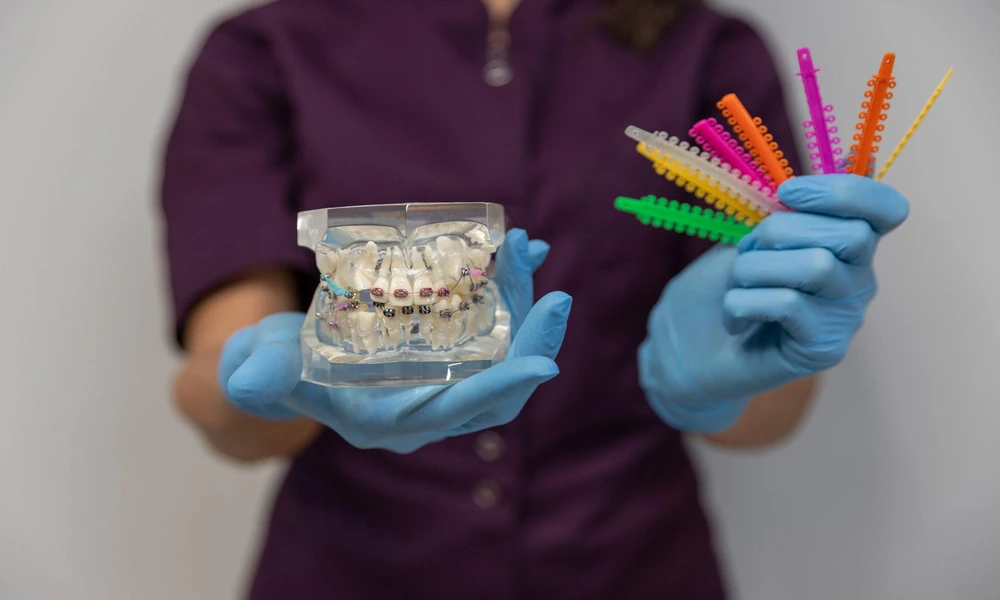
Receiving orthodontic appliances usually starts with cleaning the teeth before brackets and wires are carefully attached. Although the fitting appointment may take some time, most patients return to their usual routine shortly afterwards.
Mild tenderness is common during the first few days of getting braces and after adjustment visits because the teeth are beginning to respond to pressure. Soft foods and good oral hygiene habits often make this period more comfortable while supporting healthy gums.
Progress varies according to each person’s needs, but wearing braces consistently and following professional instructions helps keep treatment on track. Attending scheduled appointments also allows any concerns to be addressed promptly.
When Surgery May Be Recommended
Orthodontic treatment alone successfully corrects many alignment and bite concerns. However, certain patients have jaw positions that cannot be fully corrected through tooth movement by itself.
In these situations, specialists may recommend dental surgery in Singapore alongside orthodontic treatment to improve both function and facial balance. Surgery focuses on repositioning the jaw, while orthodontic care aligns the teeth before and after the procedure.
Only a detailed clinical assessment can determine whether this combined approach is necessary. Most individuals seeking straighter teeth will complete treatment without requiring any surgical intervention.
Looking After Your Smile During Orthodontic Treatment
Daily care becomes especially important once braces are fitted because food particles can collect around brackets and wires. Careful brushing and flossing reduce plaque build-up while protecting the teeth and gums throughout treatment.
Certain foods, including very hard or sticky snacks, may damage the braces or delay progress. Maintaining healthy eating habits and following professional advice helps avoid unnecessary repairs or extended treatment times.
Questions about treatment or long-term oral health should always be discussed with a dental professional. Whether someone is wearing braces or exploring the possibility of dental surgery in Singapore, personalised guidance supports better outcomes and greater confidence throughout the journey.
Conclusion
Orthodontic treatment is designed to improve more than appearance by supporting healthy tooth alignment and bite function. Although surgery is occasionally recommended for complex jaw conditions, most patients achieve excellent results through braces alone. Understanding how treatment works allows individuals to make informed decisions and approach every stage of the process with confidence.
Contact Canaan Dental to learn more about orthodontic treatment and receive personalised guidance on achieving a healthier, straighter smile.
