

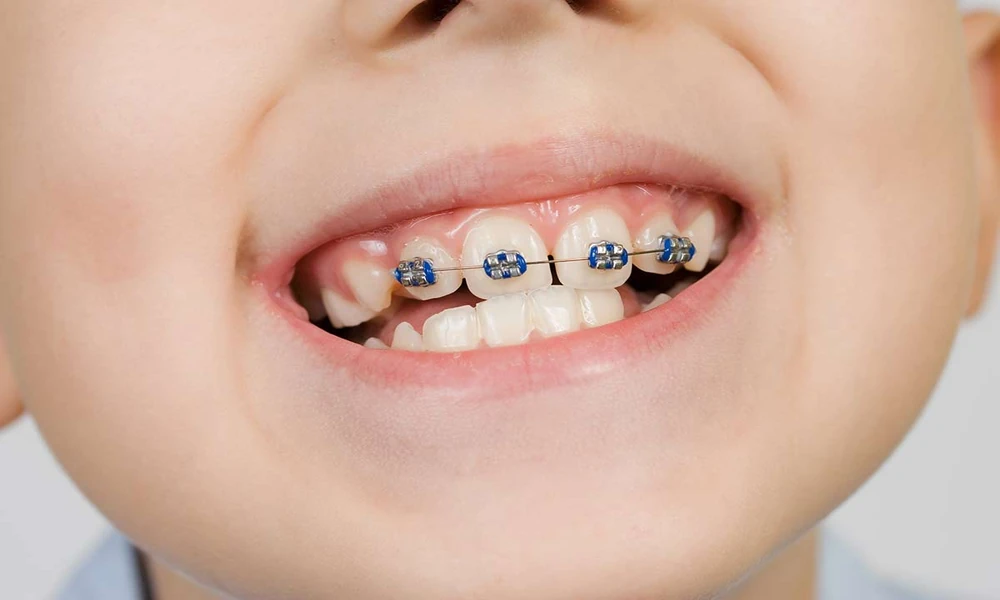
You might be noticing small things that suddenly feel bigger than they used to. Maybe your child’s teeth look crowded, maybe a bite seems off, or maybe your dentist mentioned an orthodontic check and now you are wondering if it is too soon, too much, or simply not needed yet. That uncertainty is common, especially when your child still seems so young. You want to do the right thing, but you also do not want to rush into treatment that could wait. If you are looking for an orthodontist in Chicago, IL, getting a professional opinion can help you decide on the right timing with confidence.
Here is the short answer. 3 Key Advantages Of Starting Orthodontics At A Younger Age often come down to timing, simplicity, and prevention. Early evaluation can help guide jaw growth, lower the risk of bigger problems later, and make future treatment shorter or less involved for some children. That does not mean every child needs braces early. It means a trained orthodontist can spot what is developing before it becomes harder to correct.
Why does early orthodontic treatment matter when baby teeth are still present?
This is where many parents feel stuck. If baby teeth are going to fall out anyway, why think about orthodontics now? Because the issue is not always the teeth you can see today. Sometimes it is the way the upper and lower jaws are growing, the space available for permanent teeth, or habits like thumb sucking that can change the bite over time.
According to the American Association of Orthodontists, children should have an orthodontic check by age 7, even if no treatment starts right away. That early visit can help identify concerns such as crossbites, severe crowding, or jaw growth problems. You can read more from the AAO about when children should see an orthodontist.
So, what is one of the biggest benefits of early care? Growth is still on your side. When a child is younger, the bones are still developing, which can make certain corrections more manageable. If an upper jaw is too narrow, for example, early treatment may help create room and improve the bite before the issue leads to more strain, uneven wear, or speech concerns.
This is one reason many families ask about benefits of early orthodontic care. The point is not to start treatment for the sake of starting. The point is to watch growth carefully and step in when timing can make a real difference.
Could starting younger help avoid bigger problems later?
In many cases, yes, and that is the second major advantage. A small issue in childhood can grow into a more complicated one in the teen years. Crowding can worsen. A crossbite can affect how the jaw shifts. Protruding front teeth can be more likely to get injured during sports or play. When these problems are caught early, treatment may reduce the need for extractions, lower the chance of trauma, or prevent a more difficult bite problem from settling in.
The American Academy of Pediatric Dentistry explains that managing the developing bite can support both function and long term oral health. Their guidance on the developing dentition and occlusion shows why monitoring growth matters, especially when spacing, eruption patterns, or jaw position are not developing as expected.
What does that look like in real life? Imagine a child whose adult teeth do not seem to have enough room. If that is evaluated early, an orthodontist may be able to preserve or create space as the mouth develops. Compare that with waiting until the permanent teeth are fully crowded and the bite has already adapted around the problem. At that point, treatment can become longer, and choices may be more limited.
This is where early orthodontic treatment can feel less like an extra step and more like a way to avoid a heavier burden later.
Can younger orthodontic care make treatment easier for your child and your budget?
That is the third advantage, and it matters more than people realize. Early care can sometimes shorten future treatment or make a second phase simpler. Not every child will need two phases, and not every child who is seen young will start right away. Still, when treatment is timed well, it can reduce complexity later, which may mean fewer invasive steps and less stress for the family.
There is also an emotional side to this. Children who struggle with a visible bite issue or severe crowding can become self conscious early. If treatment improves function and appearance at the right time, it can support confidence while also protecting oral health.
If you are wondering whether there is real evidence behind this, the AAO offers a useful explanation of the benefit of early treatment, including examples of when early intervention can help and when observation may be the better choice.
How do early evaluation and waiting compare?
Not every child needs immediate care, but nearly every child benefits from knowing what is happening. Seeing an orthodontist early does not lock you into treatment. It gives you information. And when you are making decisions about your child’s health, good information lowers stress.
| Approach | Possible Benefits | Possible Risks of Waiting |
|---|---|---|
| Early orthodontic evaluation around age 7 | Tracks jaw growth, spots crowding early, identifies bite problems before they worsen | Very little downside, especially if the plan is only to monitor |
| Early interceptive treatment when recommended | May guide growth, reduce injury risk to front teeth, improve spacing, simplify later care | If delayed, some issues may become harder to correct |
| Waiting until all permanent teeth erupt | May be appropriate for mild cases that do not need early action | Less growth to work with, more crowding, longer or more complex orthodontist treatment in some cases |
What can you do right now if you are unsure?
1. Watch for a few clear signs. Pay attention to crowding, early or late loss of baby teeth, mouth breathing, difficulty chewing, thumb sucking after the toddler years, or jaws that seem to shift when your child bites down. These do not always mean treatment is needed, but they are worth checking.
2. Schedule an orthodontic evaluation, not a commitment. This is a simple but important shift in mindset. An early visit is often about timing and observation, not immediate braces. You are gathering facts, and that can bring a lot of relief.
3. Ask what happens if you wait. A good orthodontist should explain both options clearly. If treatment is recommended, ask what problem it is trying to prevent, whether growth is a factor, and what might change in six months or a year.
Where does that leave you now?
If you have been wondering whether your child is too young for orthodontic care, the better question may be whether now is the right time for an evaluation. The advantages of starting younger often come from catching problems while growth can still help, preventing issues from becoming more complex, and making later care easier on your child and your family.
You do not have to figure it all out on your own. A thoughtful orthodontist can tell you whether your child needs treatment now, later, or simply careful monitoring. Sometimes the greatest peace of mind comes from getting answers before the problem grows.
