

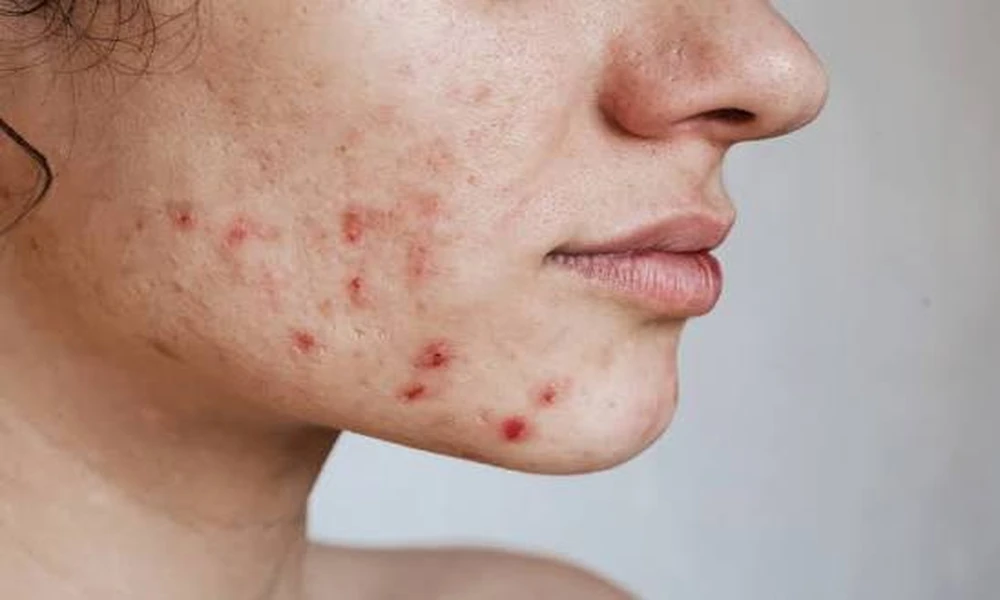
Acne often feels like a surface-level problem. A breakout appears, a blemish lingers, and many people focus only on what they can see in the mirror. Yet the processes that influence acne frequently begin beneath the skin. Researchers continue to explore how internal factors, including inflammation and environmental stressors, affect skin health. One area receiving growing attention is oxidative stress and its connection to acne-prone skin.
As people become more interested in supporting their skin beyond traditional cleansers and creams, new approaches have entered everyday conversations. For instance, some individuals who focus on maintaining healthy-looking skin choose to use a red light therapy mask as part of their broader self-care routine while also paying attention to nutrition, sleep, and daily skincare habits. Although this approach does not replace medical treatment, it reflects a broader interest in understanding how skin health relates to what happens inside the body.
Key Takeaways
- Oxidative stress occurs when free radicals outnumber the body’s natural defenses.
- Excess oxidative stress can contribute to inflammation associated with acne.
- Environmental factors, diet, and lifestyle habits may influence oxidative stress levels.
- Supporting skin health involves a combination of skincare, nutrition, stress management, and professional guidance.
- Emerging technologies, including red light therapy, continue to be studied for their role in skin wellness.
What Is Oxidative Stress?
Every day, the body produces unstable molecules known as free radicals. These molecules form during normal metabolic processes, but external factors such as pollution, UV exposure, smoking, and chronic stress can increase their production.
The body also creates antioxidants that help neutralize free radicals. Problems arise when free radicals begin to outnumber available antioxidants. This imbalance is known as oxidative stress.
Think of it as wear and tear happening at a cellular level. When oxidative stress remains elevated for long periods, it can affect many parts of the body, including the skin.
How Oxidative Stress May Influence Acne
Acne develops through several interconnected factors. Excess oil production, clogged pores, bacteria, and inflammation all play important roles. Oxidative stress appears to interact with many of these processes.
Research suggests that increased oxidative stress can contribute to inflammatory activity within the skin. Since inflammation is a major component of acne, this connection has attracted significant scientific interest.
When oxidative stress increases, skin cells may become more vulnerable to damage. This can create an environment where inflammatory responses become more active, potentially making acne symptoms harder to manage.
Scientists have also examined how oxidation affects sebum, the natural oil produced by the skin. Changes in sebum composition may influence pore blockage and inflammation, two factors commonly associated with acne development.
Common Factors That Increase Oxidative Stress
Many everyday habits and environmental exposures can influence oxidative stress levels.
Poor Diet Choices
Highly processed foods, excessive sugar intake, and diets low in fruits and vegetables may reduce antioxidant availability. A balanced diet rich in colorful plant foods helps provide nutrients that support the body’s natural defense systems.
Chronic Stress
Emotional stress affects more than mood. Long-term stress can increase inflammatory activity and contribute to oxidative stress throughout the body.
Environmental Pollution
Airborne pollutants can come into direct contact with the skin. Studies suggest that pollution exposure may contribute to oxidative damage and skin irritation.
Inadequate Sleep
Quality sleep supports repair processes throughout the body. Consistently poor sleep may negatively affect skin health and overall recovery mechanisms.
The Role of Antioxidants in Skin Health
Antioxidants help the body maintain balance by neutralizing excess free radicals. This protective function has made antioxidants a popular topic in both skincare and nutrition.
Vitamin C, vitamin E, polyphenols, and carotenoids are among the antioxidants frequently studied for their potential role in supporting skin health.
While antioxidants do not guarantee acne prevention, maintaining adequate antioxidant intake through a balanced diet may help support the body’s natural protective systems.
Celluma Red Light Therapy
Celluma red light therapy has gained attention as a non-invasive technology used in various wellness and skincare settings. The device delivers specific wavelengths of light that researchers have studied for their effects on cellular function and skin appearance.
Some healthcare and skincare professionals incorporate Celluma red light therapy into broader skin wellness plans. Ongoing research continues to examine how light-based therapies may support healthy skin processes, including those related to inflammation. However, individuals experiencing persistent or severe acne should seek personalized guidance from a qualified healthcare provider rather than relying on any single treatment approach.
Practical Ways to Support Acne-Prone Skin
Managing acne-prone skin often requires a combination of strategies rather than a single solution.
Consider these practical habits:
- Follow a consistent skincare routine.
- Wear sunscreen daily.
- Eat a nutrient-rich diet with plenty of fruits and vegetables.
- Prioritize quality sleep.
- Manage stress through exercise, mindfulness, or relaxation techniques.
- Avoid picking or squeezing blemishes.
- Consult a dermatologist for persistent acne concerns.
Small lifestyle improvements can work together to support healthier skin over time.
Final Thoughts
The relationship between oxidative stress and acne-prone skin highlights how closely skin health connects with overall wellness. While acne involves several contributing factors, oxidative stress appears to play a meaningful role in the inflammatory processes associated with breakouts.
Supporting the body’s natural defenses through healthy habits, balanced nutrition, stress management, and appropriate skincare may help create a healthier environment for the skin. As research continues, a deeper understanding of oxidative stress may provide even more insights into effective approaches for managing acne-prone skin.
