

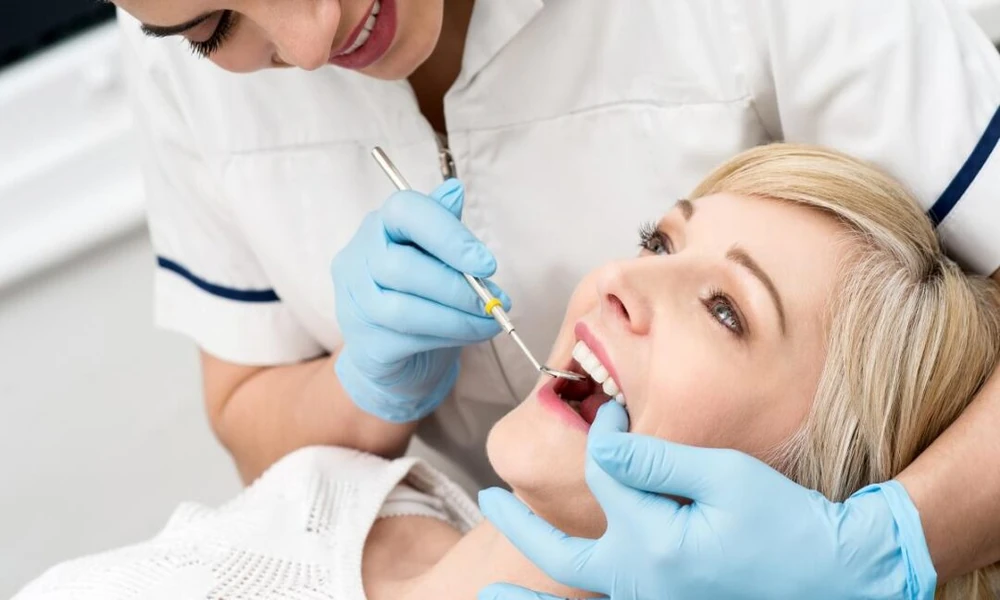
Your calendar is full, meals happen on the go, and some nights you barely have the energy to wash your face, much less think about your teeth. That does not mean you do not care. It usually means you are trying to keep up with work, family, errands, and the thousand small things that fill a day. Oral health often slips because it feels easy to postpone, right up until a tooth starts hurting or your gums bleed when you brush. Even so, making time for prevention, cleanings, and even braces and orthodontics in East Patchogue can help you avoid bigger problems later.
The hard part is that dental problems tend to build quietly. A missed cleaning, rushed brushing, or weeks of sipping sugary coffee can turn into cavities, gum irritation, or a bigger bill than you expected. The good news is that preventive dental care for busy adults does not need to be complicated. A few steady habits, paired with regular visits to a general dentist, can save you time, money, and stress.
Busy schedules make small dental problems grow fast
When life gets packed, shortcuts start to feel harmless. You brush for 20 seconds instead of two minutes. You skip flossing because you are already late. You snack between meetings and forget to rinse with water. None of that seems urgent in the moment. The trouble is that plaque does not care how busy you are. It keeps building, and your mouth keeps reacting.
You might notice sensitivity when you drink something cold, bad breath that keeps coming back, or gums that look a little puffy. Those signs are easy to ignore because they come and go. Then one day you need an emergency appointment, and the issue that could have been handled with a simple cleaning or small filling now needs more treatment.
That pattern is common, and it is exactly why preventive dentistry tips matter. Prevention is less about perfection and more about reducing the number of chances bacteria get to stay in your mouth long enough to cause damage.
A fast routine works better than an ideal routine you never do
If your plan for oral care only works on calm mornings, it will fall apart on real ones. A better approach is a routine that survives chaos. Brush twice a day with fluoride toothpaste. Keep floss picks in your bag, desk, or car. Drink water after coffee, sports drinks, or snacks. These are small moves, but they interrupt the cycle that leads to decay and gum disease.
The National Institute of Dental and Craniofacial Research offers practical guidance on daily oral hygiene habits, including brushing, flossing, and replacing your toothbrush regularly. Those basics still carry most of the weight.
Think about the difference between someone who waits for long stretches of free time to “reset” their health and someone who builds five minute habits into a normal day. The second person usually gets better results because the habit is repeatable. That is what busy patients need. Not a perfect routine. A durable one.
Six preventive dentistry habits protect your teeth without taking over your day
1. Brush for two full minutes twice a day. Set a timer if you need one. Most people rush and miss the gumline, where plaque tends to sit.
2. Use fluoride toothpaste every day. Fluoride helps strengthen enamel and lowers the risk of cavities, especially if you snack often or drink acidic beverages.
3. Floss or use interdental cleaners once a day. Brushing cleans the front and back of teeth, not the tight spaces between them.
4. Keep water close. Sipping water after meals and drinks helps wash away food particles and acids when brushing is not possible.
5. Choose fewer sugar exposures. It is often the frequency, not just the amount, that causes trouble. Constant snacking gives bacteria repeated fuel.
6. Keep regular checkups on the calendar. Preventive visits catch problems early and remove buildup you cannot handle at home.
If gum pain, swelling, or bleeding has already started, MedlinePlus explains common causes and treatment options for gum disease and gingivitis. That kind of irritation is not something to just wait out.
Simple prevention usually costs less than delayed treatment
You do not need a long lecture to know that avoiding problems is easier than fixing them. Still, seeing the tradeoffs side by side helps.
| Habit or Choice | Time Needed | Likely Outcome |
|---|---|---|
| Brush and floss daily | About 5 minutes total | Lower plaque buildup, fewer cavities, healthier gums |
| Skip flossing and rush brushing | 1 to 2 minutes | More plaque between teeth, higher risk of bleeding gums and decay |
| Routine dental cleaning and exam | Usually under an hour, twice a year | Early detection, professional cleaning, smaller problems handled sooner |
| Wait until pain starts | Unplanned time off, urgent visit | Greater chance of advanced decay, infection, or more costly treatment |
This is where a general dentist becomes part of your time saving plan, not another task on your list. Preventive visits help you avoid the disruption of dental pain, last minute appointments, and treatment that takes multiple visits.
Three steps you can start today
Build a two minute bathroom routine. Put your toothbrush, fluoride toothpaste, and floss where you cannot miss them. Pair brushing with something you already do, like starting the shower or plugging in your phone at night.
Create an emergency backup kit. Keep a spare toothbrush, travel toothpaste, and floss picks at work or in your bag. This helps on the days when you leave home early and return late.
Book preventive care before you feel a problem. Put your next cleaning on the calendar the same way you would a work meeting or school event. Busy people do better when health tasks are scheduled, not left to memory.
Consistent dental prevention fits real life
You do not need a flawless routine to protect your teeth. You need habits that still work when life gets messy, because that is the version of life most people are living. Small daily steps and regular care from a dentist can keep minor issues from turning into painful, expensive ones.
Preventive oral health tips for busy people are simple by design. Brush well, clean between your teeth, drink water, cut back on constant snacking, and keep your checkups. That is how you protect your smile without adding more stress to your day.
