

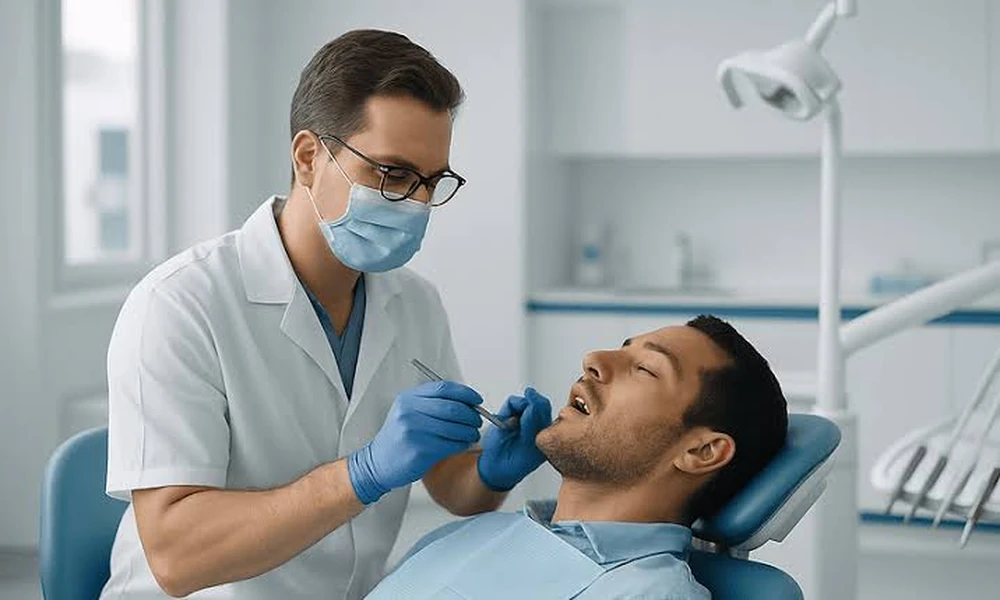
Dental pain has a way of taking over everything. You may have gone to bed with a dull ache and woken up with swelling, a cracked tooth, or pain so sharp you cannot focus on work, food, or sleep. In that moment, you are not thinking about long term dental plans, but it may still help to learn more about dental implants in Valencia. You want the pain to stop, you want to know what is wrong, and you want a clear next step.
That is where How General Dentistry Offers Emergency Solutions When You Need Them Most becomes real, not just a phrase. A general dentist is often the first and best place to turn for urgent dental care, because many emergencies need fast diagnosis, pain control, and treatment that protects the tooth before the problem gets worse. When you act early, you often avoid more damage, more cost, and more stress.
General dentistry often handles urgent dental problems quickly
Many people assume a dental emergency always means a hospital visit. Most of the time, it does not. Emergency rooms can help with severe infection, facial trauma, trouble breathing, or uncontrolled bleeding, but they usually cannot provide the dental treatment that fixes the source of the problem. A general dentist can often treat toothaches, broken fillings, chipped or cracked teeth, lost crowns, gum swelling, and many infections in the office.
You might be dealing with pain that seems to come out of nowhere, but dental emergencies usually build quietly. A small cavity gets deeper. A filling loosens. You grind your teeth for months and one hard bite finally causes a crack. What feels sudden is often a problem that has reached its breaking point.
That matters because delay changes the outcome. A tooth that could have been saved with a filling or crown may later need root canal treatment or extraction. An infection that started as local swelling can spread and become dangerous. According to the CDC’s data on dental visits and oral health, access to timely dental care remains uneven, and postponing care is still common. The cost of waiting is often higher than the cost of being seen quickly.
Emergency dental care through a general dentist reduces pain and protects your options
When you call a general dentist for an urgent issue, the first goal is simple. Find the source. Tooth pain can come from decay, infection, trauma, gum disease, an abscess, a fractured root, or even a problem with the bite. Treating pain without knowing the cause can mask the issue for a day or two, then leave you in worse shape by the weekend.
That is why emergency dental care through a general dentist matters. You get an exam, often X rays, and a treatment plan based on what is actually happening. That treatment may include draining an infection, placing a temporary or permanent restoration, prescribing medication when appropriate, adjusting the bite, or referring you to a specialist if the case calls for it.
Pain relief also needs care. If you have been reaching for over the counter medicine every few hours, you are not alone. The American Dental Association provides guidance on pain management for toothache, and nonopioid options are often effective for dental pain when used correctly. A general dentist can tell you what is safe, what helps, and what does not address the real problem.
Waiting, self treating, and getting professional dental treatment lead to very different outcomes
People often try to wait out dental pain because life is busy, money is tight, or the problem seems manageable for now. That choice makes sense in the moment. It also carries risk. Home care has a place, but it is support, not treatment, when a tooth is infected, cracked, or badly damaged.
| Situation | At Home | With a General Dentist |
|---|---|---|
| Severe toothache | Pain relievers may reduce symptoms for a short time | Exam and X rays identify the cause, then treatment can stop the pain at its source |
| Chipped or cracked tooth | Avoid chewing on that side, rinse gently, manage discomfort | Bonding, crown, or other repair may protect the tooth from breaking further |
| Swelling or possible infection | Cold compress may help with discomfort, but infection remains | Prompt care can reduce spread and determine whether drainage, dental treatment, or medication is needed |
| Lost filling or crown | Temporary pharmacy material may cover the area briefly | Replacement or repair restores function and lowers the chance of more damage |
urgent dental treatment is not just about comfort. It protects your choices. The sooner a general dentist sees the problem, the more likely you are to keep treatment simpler and less expensive.
Immediate steps help you stay calmer and get the right dental help faster
Call as soon as symptoms start to escalate. Do not wait for pain to become unbearable. If you have swelling, a broken tooth, bleeding that does not stop, or pain that keeps you from eating or sleeping, contact a general dentist right away. Describe the symptoms clearly, including when they started and whether you have fever, trauma, or trouble swallowing.
Protect the area without trying to fix it yourself. Rinse gently with warm salt water. Use a cold compress on the outside of the face for swelling. Avoid very hot, very cold, or hard foods. If a tooth is broken, save any pieces if you can. Do not place aspirin directly on the gum, and do not ignore facial swelling.
Track what changed before the pain started. Think about recent dental work, biting on something hard, grinding your teeth, or pain that comes and goes with temperature. Those details help a general dentist narrow down the cause fast. Bring a medication list and note any allergies, especially if infection or pain control is part of the visit.
General dentist care gives you a clear path when the situation feels urgent
Dental emergencies feel overwhelming because they hit fast and disrupt ordinary life. You may be worried about pain, cost, time away from work, or whether the tooth can be saved. Those concerns are real. The good news is that many urgent problems can be treated by a general dentist, and quick care often makes the solution easier than you feared.
If you are dealing with sudden dental pain, swelling, or a damaged tooth, do not wait for it to settle on its own. Reach out for care and get answers while the problem is still manageable.
