

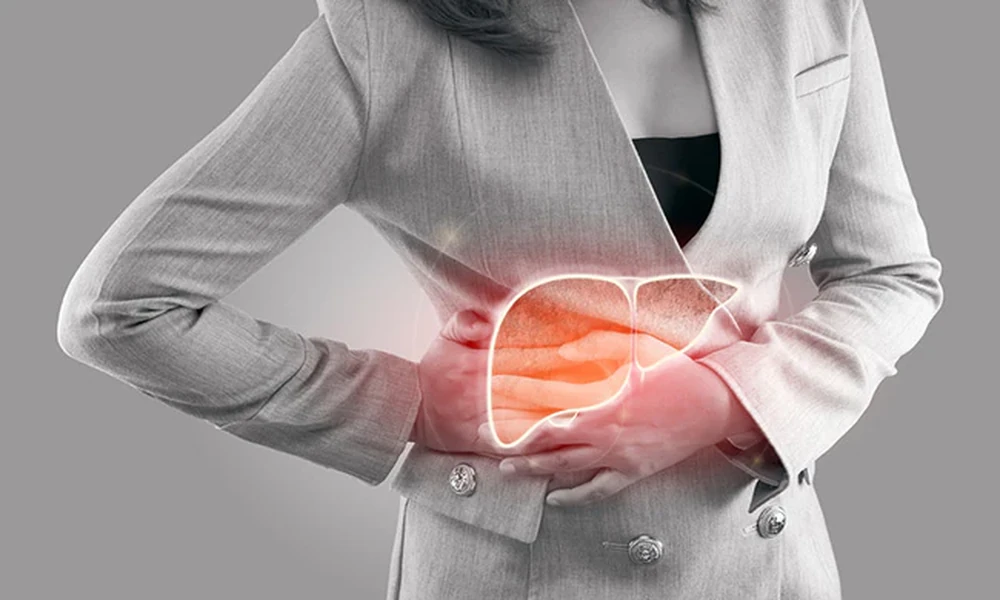
Liver cirrhosis is a long-term condition in which healthy liver tissue slowly gets replaced with scar tissue. As the damage increases, the liver struggles to perform essential functions such as filtering toxins, storing nutrients, and supporting digestion. Symptoms like fatigue, swelling, appetite loss, and digestive discomfort can become difficult to manage if proper care is ignored.
A balanced lifestyle, along with timely medical consultation, can make a noticeable difference in symptom control and overall well-being. Many people also explore liver cirrhosis treatment in homeopathy as a supportive approach alongside dietary and lifestyle improvements.
Understanding the Impact of Daily Habits on Liver Health
The liver works continuously to process everything the body consumes. Poor eating habits, alcohol intake, smoking, and lack of physical activity place additional pressure on an already weakened liver. Small positive changes in daily routines can help reduce complications and improve energy levels.
Some important lifestyle measures include:
- Avoid alcohol completely, even in small quantities
- Maintain a healthy body weight
- Follow regular sleep patterns
- Stay physically active with light exercises or walking
- Avoid self-medication and unnecessary supplements
These habits help the body function more efficiently and may slow further stress on the liver.
Choosing Foods That Support Liver Function
Diet plays a major role in managing cirrhosis symptoms. Patients often experience poor digestion and reduced appetite, so meals should be light, nutritious, and easy to digest. Fresh foods are generally better than packaged or oily meals.
A liver-friendly diet may include:
- Fresh fruits like papaya, apple, and pomegranate
- Green vegetables and fibre-rich foods
- Whole grains such as oats and brown rice
- Moderate protein from pulses, lentils, and lean sources
- Plenty of water throughout the day
Doctors may also recommend limiting salt intake because excess sodium can increase water retention and swelling in the abdomen or legs.
Heavy fried foods, sugary beverages, processed snacks, and excess red meat should be reduced whenever possible.
Managing Fatigue and Weakness Naturally
Constant tiredness is one of the most common complaints among people with cirrhosis. The liver’s reduced ability to process nutrients can affect stamina and muscle strength. Energy management becomes important for daily comfort.
Helpful ways to manage weakness include:
- Eating smaller meals at regular intervals
- Taking short rest breaks during the day
- Avoiding long gaps between meals
- Practising breathing exercises or meditation
- Staying hydrated, especially during hot weather
Many individuals also look for homeopathy treatment for liver support to complement healthy living habits and improve overall wellness naturally.
The Importance of Digestive Care
Liver cirrhosis often affects digestion and metabolism. Patients may feel bloated, nauseous, or uncomfortable after meals. Improving digestive habits can reduce strain on the body.
Some practical digestive care tips are:
- Eat slowly and chew food properly
- Avoid overeating at night
- Reduce spicy and oily foods
- Include curd or probiotic-rich foods if tolerated
- Drink enough fluids between meals instead of during meals
Simple changes like these can help reduce heaviness and improve nutrient absorption.
Emotional Health and Stress Management
Living with a chronic condition can affect mental health. Anxiety, frustration, and emotional exhaustion are common in patients dealing with long-term liver issues. Emotional balance is equally important for physical recovery.
Stress management practices may include:
- Daily meditation or mindfulness exercises
- Gentle yoga under expert guidance
- Spending time with family and friends
- Following hobbies that create relaxation
- Seeking counselling when emotional stress becomes overwhelming
Positive mental health often encourages better consistency with treatment and lifestyle discipline.
Combining Medical Guidance with Supportive Care
Liver cirrhosis requires regular medical supervision. Blood tests, scans, and follow-up appointments help doctors monitor liver function and prevent complications. Along with prescribed medical care, some people choose supportive therapies such as liver cirrhosis homeopathic medicine to help manage symptoms more comfortably.
However, no treatment should be started without professional advice. Every patient has different health conditions, medications, and nutritional requirements. A qualified healthcare provider can guide safe and suitable treatment decisions.
A Healthier Routine Can Make a Difference
Managing liver cirrhosis is a long-term commitment that depends heavily on lifestyle discipline and dietary awareness. Healthy eating, hydration, stress reduction, and regular medical follow-ups all contribute to better symptom management and improved daily living. Many individuals in India also consider supportive options like homeopathy for liver cirrhosis and seek guidance from an experienced homeopathic doctor in India while maintaining a balanced routine and proper clinical care.
———————————————————————————————–
